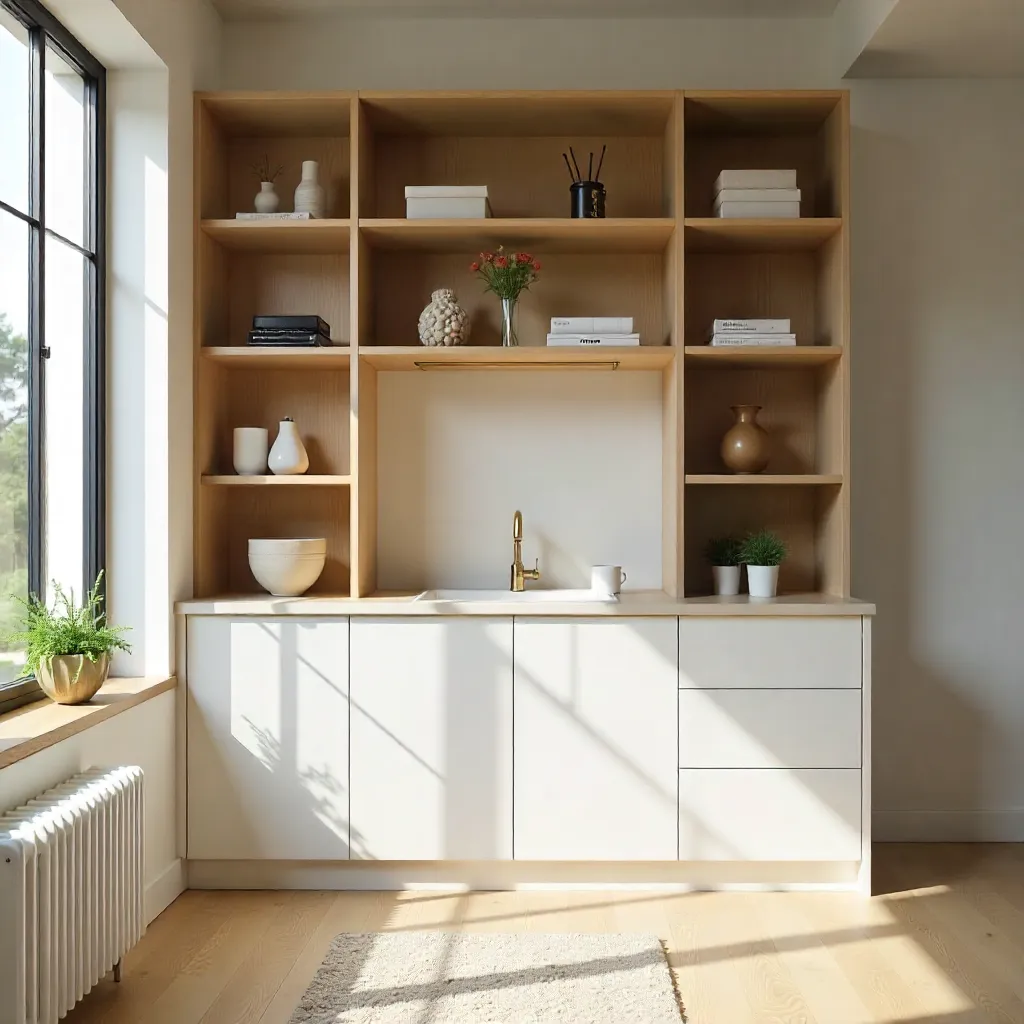
Understanding Organization Systems
Effective organization isn't about following rigid rules—it's about understanding how different systems work and choosing what fits your space and lifestyle. This page explores key organizational concepts that apply across different rooms and situations.
By understanding these principles, you can make informed decisions about how to organize your belongings, regardless of your specific living situation or available storage options.
Daily-Use vs Occasional-Use Items
One fundamental principle of organization is distinguishing between items you use daily and those you use occasionally. This distinction should guide where and how you store things.
| Daily-Use Items | Occasional-Use Items |
|---|---|
| Easily accessible locations | Higher shelves or deeper storage |
| Visible or front-of-drawer placement | Behind or below daily items |
| Minimal barriers to access | Can require reaching or moving other items |
| Quick to put away | Can take more effort to store |
This system helps prevent daily-use items from getting buried and makes occasional items accessible when needed without cluttering prime storage real estate.
Vertical vs Horizontal Storage
Storage can be organized vertically (stacking, shelves) or horizontally (drawers, flat surfaces). Each approach has advantages depending on the items and space available.
Vertical Storage
Best for: Books, files, folded items, items with similar sizes
Advantages: Maximizes floor space, easy to scan, good for small spaces
Considerations: Requires reaching, items at bottom can be forgotten
Horizontal Storage
Best for: Flat items, tools, accessories, items of varying sizes
Advantages: Easy access, no stacking, good for fragile items
Considerations: Takes more floor space, can accumulate clutter
Most effective organization systems combine both approaches, using vertical storage for items that stack well and horizontal storage for items that need to lie flat or be easily accessible.
Visible vs Hidden Storage Balance
Every home needs a balance between visible and hidden storage. Visible storage supports easy access and can be aesthetically pleasing, while hidden storage reduces visual clutter.
| Visible Storage | Hidden Storage |
|---|---|
| Open shelves, hooks, clear containers | Closed cabinets, drawers, boxes with lids |
| Items you use frequently or want to display | Items you use less often or want out of sight |
| Requires regular maintenance to look organized | Can hide disorganization but requires systems |
| Supports quick access and visual reminders | Reduces visual clutter and distractions |
The right balance depends on your preferences, available space, and how you use different areas of your home. Some people prefer mostly hidden storage for a minimal look, while others find visible storage more functional.
Temporary Storage Zones
Temporary storage zones are designated areas for items that are in transition—things that have arrived but haven't found their permanent home, or items that are waiting to leave.
Common temporary zones include:
- Mail and paperwork sorting areas
- Items to donate or return
- Seasonal items waiting to be rotated
- Projects in progress
These zones work best when they have clear limits—a specific basket, shelf, or area. Regular review prevents temporary zones from becoming permanent clutter. Set a schedule for processing these zones, whether weekly or monthly.
Without designated temporary zones, items in transition tend to accumulate on surfaces or in random locations, creating visual clutter and making it harder to maintain organization.
Applying Systems to Your Space
These organizational systems are tools, not rules. Observe how you actually use your space, notice what's working and what isn't, and adjust systems accordingly.
Start with one area and apply these principles. Notice how daily-use vs occasional-use distinctions work in your kitchen. Experiment with vertical vs horizontal storage in your closet. Find the visible vs hidden balance that feels right for your living room.
Effective organization systems evolve with your needs. What works now might need adjustment in six months or a year. Regular observation and small adjustments keep systems functional over time.