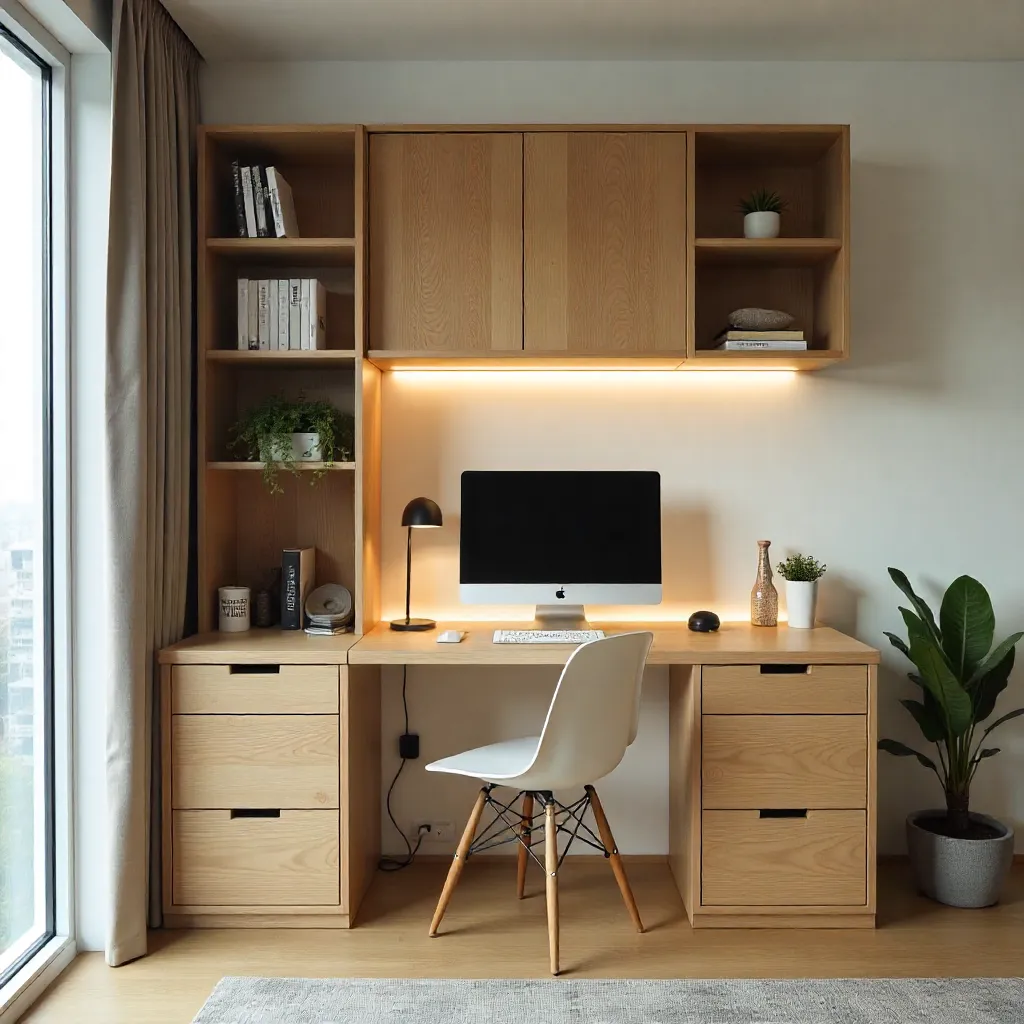
Room-Based Organization

Every room in your home serves different functions and has unique storage opportunities. Understanding these zones helps you create organization systems that match how you actually use each space.

This approach recognizes that what works in a kitchen won't necessarily work in a bedroom, and that entryways have different needs than bathrooms. By organizing by room, you can address specific challenges and make the most of each area's potential.

Entryway and Transition Areas

Entryways are transition zones where items enter and leave your home. Effective organization here prevents clutter from spreading to other rooms.

Common items found here:

  • Keys and wallets
  • Outerwear and bags
  • Mail and packages
  • Shoes and seasonal accessories

Consider vertical storage for coats and bags. A small surface for keys and mail prevents items from being misplaced. Shoe storage should be easily accessible but not obstructive.

Keep entryway organization minimal—this space should feel welcoming, not cluttered. Regular clearing of mail and seasonal rotation of items helps maintain order.

Kitchen Storage Zones

Kitchens require organization that supports both food preparation and storage. Zones should reflect how frequently items are used.

Common items found here:

  • Daily-use cookware and utensils
  • Food storage containers
  • Pantry items and spices
  • Cleaning supplies

Store frequently used items within easy reach. Less-used appliances can live in higher cabinets or deeper storage. Group similar items together—all baking supplies in one area, all prep tools in another.

Vertical space is valuable in kitchens. Use cabinet doors for additional storage, and consider drawer organizers to maximize space efficiency. Keep countertops clear for actual food preparation.

Living Room Surfaces and Shelves

Living rooms balance function and aesthetics. Organization here should support relaxation and social activities while keeping the space visually calm.

Common items found here:

  • Books and media
  • Remote controls and electronics
  • Throw blankets and cushions
  • Personal items and decor

Use shelves for intentional display rather than catch-all storage. Keep surfaces clear except for items you use daily. Hidden storage in coffee tables or ottomans can hold items you want nearby but out of sight.

Regular editing of books and media prevents accumulation. Consider digital alternatives for items you rarely access physically. Seasonal rotation of decor keeps the space feeling fresh.

Bedroom Storage Basics

Bedrooms should support rest and daily routines. Storage here needs to be accessible but not visually overwhelming.

Common items found here:

  • Clothing and accessories
  • Bedding and linens
  • Personal care items
  • Books and bedside essentials

Closet organization benefits from consistent systems—grouping by type, season, or frequency of use. Under-bed storage works well for items used less frequently. Keep surfaces minimal to support restful atmosphere.

Regular clothing rotation helps maintain manageable quantities. Consider capsule wardrobe principles to reduce decision fatigue and storage needs. Bedside storage should be minimal and functional.

Bathroom Storage Limits

Bathrooms are typically small spaces with limited storage options. Organization here requires careful editing and efficient use of available space.

Common items found here:

  • Daily hygiene products
  • Towels and linens
  • Cleaning supplies
  • First aid and medications

Keep only what you use regularly visible. Store backups and less-frequent items in closed storage. Vertical storage solutions like over-toilet shelving can maximize limited space.

Regular purging of expired products and unused items prevents accumulation. Consider multi-purpose products to reduce total item count. Keep countertops clear for daily use.

Room-Specific Considerations

Each room has unique constraints and opportunities. Entryways need quick-access storage, kitchens require functional zones, living rooms balance aesthetics and function, bedrooms prioritize rest, and bathrooms work with minimal space.

By understanding these differences, you can create organization systems that feel natural and sustainable. Start with one room, observe how you actually use it, and build systems that support those patterns.